Creating a cozy ambiance in your home often centers around the warmth and beauty of a brick fireplace. Yet, maintaining that picturesque charm requires diligent care and attention. In this comprehensive guide, we’ll explore The Best Practices for Long-Term Care of Your Brick Fireplace and Chimney, ensuring they remain safe, functional, and aesthetically pleasing for years to come.
Understanding Your Brick Fireplace and Chimney
What Makes Brick Fireplaces Special?
Brick fireplaces are not just functional; they’re also a design statement. With their classic look, they can elevate any room's aesthetic while providing warmth during cold seasons. But what makes them special is their durability and heat retention properties.
Why Regular Maintenance is Essential
Regular maintenance of your brick fireplace and chimney cannot be overstated. It’s not merely about aesthetics; it’s about safety. A well-maintained chimney reduces fire hazards, prevents structural damage, and enhances efficiency.
The Anatomy of a Brick Fireplace
Key Components
A typical brick fireplace consists of several components:
- Firebox: Where the fire burns. Chimney Flue: The passage that directs smoke outside. Chimney Crown: The top part protecting against water infiltration.
Understanding these components helps identify areas needing attention.
Common Issues in Brick Fireplaces
Over time, brick fireplaces may experience:
- Cracks due to thermal expansion Creosote buildup which poses fire risks Moisture damage from rain or snow
Recognizing these issues early on is critical for effective masonry chimney repair.
The Best Practices for Long-Term Care of Your Brick Fireplace and Chimney
1. Regular Inspections: A Proactive Approach
Why Inspections Matter Regular inspections are crucial to identify potential problems before they escalate. Aim for at least annual professional inspections.
How to Perform an Inspection Look for cracks in the bricks or mortar joints, signs of moisture intrusion, and creosote buildup within the flue.
2. Cleaning Your Chimney: Frequency Counts
When Should You Clean? Typically, it’s best to clean your chimney at least once a year or after burning approximately one cord of wood.
Cleaning Methods Professional services use specialized brushes and vacuums to ensure thorough cleaning without damaging the chimney structure.
3. Masonry Chimney Repair: When to Seek Help?
Recognizing Damage If you notice significant cracks or crumbling mortar, it's time to consider masonry chimney repair by professionals who specialize in this field.
Choosing the Right Professional Look for certified experts with good reviews. https://verview.com/biz/10067867-ramos-masonry-construction-company-newberg-oregon Check their credentials to ensure quality work on your cherished fireplace.
4. Waterproofing Solutions: Protecting Against Moisture Damage
Importance of Waterproofing Moisture can wreak havoc on brickwork over time. Applying a waterproof sealant can help protect your investment from deterioration caused by rain and snow.
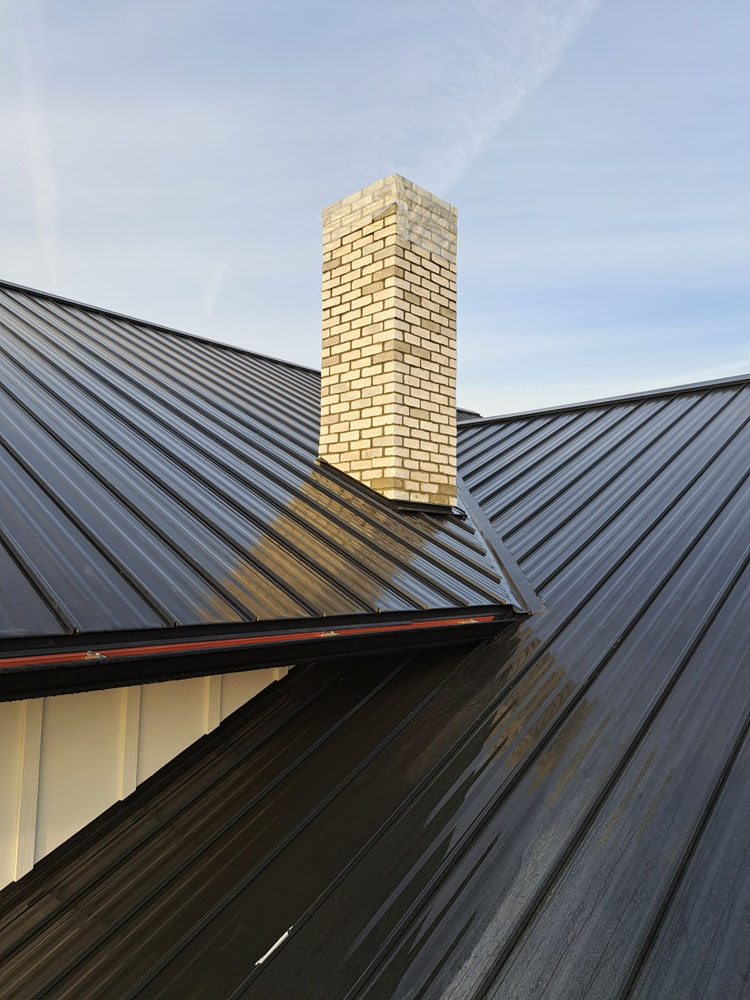
Types of Sealants Choose breathable sealants designed specifically for masonry; these allow moisture trapped inside to escape while preventing water penetration from outside.
5. Proper Ventilation: Ensuring Safety and Efficiency
How Ventilation Affects Performance A well-ventilated chimney allows smoke to escape efficiently while preventing backdrafts that could fill your home with harmful gases.
Ventilation Tips Ensure that there are no obstructions in the flue and that dampers function properly to maintain optimal air flow.
Additional Maintenance Tips for Your Brick Fireplace
6. Avoid Using Softwoods During Fires
Softwoods like pine can produce more creosote than hardwoods due to their resin content. Always opt for seasoned hardwoods such as oak or hickory for cleaner burns and less buildup in the chimney flue.
7. Inspecting Your Damper Regularly
Your damper should open and close smoothly without sticking. A malfunctioning damper can lead to inefficient burning or even dangerous gas build-up inside your home.
8. Addressing Cracked Bricks Promptly
Cracked bricks can lead to larger structural issues if left unattended; repairing them quickly ensures longevity in your fireplace's lifespan.
Seasonal Maintenance Checklist for Your Fireplace & Chimney
| Season | Recommended Action | |---------|-----------------------------------------------------| | Spring | Schedule professional inspection & cleaning | | Summer | Apply waterproof sealant | | Fall | Test damper functionality; stock up on firewood | | Winter | Monitor burn efficiency; clean ashes regularly |
Signs That Indicate It's Time For Professional Help
9. Unpleasant Odors From the Firebox or Flue?
If you detect unusual smells when the fireplace isn’t in use, it may indicate creosote buildup or animal intrusion within the flue system—both warrant immediate professional intervention.
10. Visible Smoke Inside Your Home?
Smoke backing into your living space is not just unpleasant—it’s dangerous! This could indicate blockages within the flue requiring immediate attention from a certified technician.
Best Practices for Daily Use of Your Brick Fireplace
11. Use Quality Fuel Only!
Using seasoned hardwood not only produces less smoke but also minimizes creosote accumulation—essential for long-term care!
12. Build Fires Safely!
Always start fires with kindling rather than accelerants like lighter fluid, which can create excessive smoke and harm both you and your chimney structure over time.
FAQ Section
How often should I have my chimney inspected? Inspect your chimney at least once per year or more frequently if you use it regularly during winter months.
What are signs that my chimney needs cleaning? Increased smoke production inside the home during fires or visible soot build-up are indicators that cleaning is necessary.
Can I clean my own chimney? While DIY methods exist, hiring professionals ensures safety and thoroughness.
What causes cracks in my brick fireplace? Thermal expansion from high heat combined with moisture exposure contributes significantly to cracking.
Is waterproofing necessary every year? While it may not need annual reapplication depending on climate conditions, it’s wise to assess its effectiveness regularly.
What do I do if I see animals nesting in my chimney? Contact pest control specialists immediately if you suspect animal habitation within your flue system!
Conclusion
Maintaining a brick fireplace alongside its chimney is an art form that demands respect—both for its craftsmanship and its integral role within our homes' heartbeats during cooler months! By adhering strictly to The Best Practices for Long-Term Care of Your Brick Fireplace and Chimney, homeowners can revel in warmth while preserving safety throughout each season ahead!
With regular inspections, timely repairs such as masonry chimney repair when needed, proper cleaning schedules adhered strictly—and an eye toward seasonal changes—you'll ensure this centerpiece remains as captivating as ever!
Embrace these best practices today! You'll thank yourself tomorrow when enjoying cozy evenings beside a warm gentle flame dancing elegantly within perfectly preserved bricks—a true luxury found only at home!