Introduction
Brickwork is not just about aesthetics; it’s a critical component of building stability and longevity. As we delve into this guide, we'll explore common brickwork problems that homeowners and builders face, arming you with the knowledge to identify and address these issues effectively. Whether you're a homeowner looking to understand your property's needs or a contractor aiming to sharpen your skills, this guide offers insights that are both valuable and practical.
Why is Understanding Brickwork Important?
Understanding brickwork problems is essential for any property owner. Ignoring these issues can lead to serious structural damage, costly repairs, and decreased property value. Armed with the right knowledge, you can ensure that your masonry remains in excellent condition for years to come.
Your Guide to Understanding Common Brickwork Problems
Brick walls are often seen as durable and low-maintenance; however, they can encounter various issues over time. Let’s dive into the most common problems you might face.
1. Cracking: Causes and Solutions
Cracks in brick walls can arise from several factors, including:
- Thermal Expansion: Temperature fluctuations cause bricks to expand and contract. Settlement: Natural ground movement can shift foundation levels. Moisture Damage: Water infiltration can weaken mortar joints.
Types of Cracks
Vertical Cracks: Often indicate settling issues. Horizontal Cracks: May suggest pressure from expanding soil or tree roots. Stair-Step Cracks: Typically found in masonry joints; they may point toward foundation problems.Solution: Consult a masonry contractor for evaluation and repair options, which may include repointing or underpinning.
2. Spalling: What Is It?
Spalling occurs when the surface layer of a brick chips away, usually due to moisture freezing inside the bricks during winter.
How Does Spalling Happen?
- Poor drainage systems Excessive rainfall Inadequate sealing
Solution: Regular maintenance such as sealing bricks can help mitigate spalling risks.
3. Efflorescence: The White Stain Dilemma
Efflorescence appears as white powdery stains on bricks due to soluble salts being pulled through the masonry by moisture evaporation.
What Causes Efflorescence?
Moisture intrusion from outside sources or poor drainage systems can lead to efflorescence.
Solution: Ensure proper waterproofing techniques are employed during construction.
4. Mortar Deterioration: Signs You Shouldn’t Ignore
Over time, mortar joints between bricks can deteriorate due to weather exposure, poor installation, or moisture penetration.
Indicators of Mortar Deterioration:
- Crumbling mortar Gaps between bricks Water leakage
Solution: Repointing is often necessary; it's essential to hire a qualified masonry contractor for this task.
5. Bulging Walls: A Warning Sign
Bulging walls indicate severe structural issues often related to inadequate support or moisture damage.
Why Do Walls Bulge?
This problem may result from:
- Poor drainage Soil erosion Excessive weight from above
Solution: Immediate professional assessment is crucial; bulging walls can pose significant safety risks.
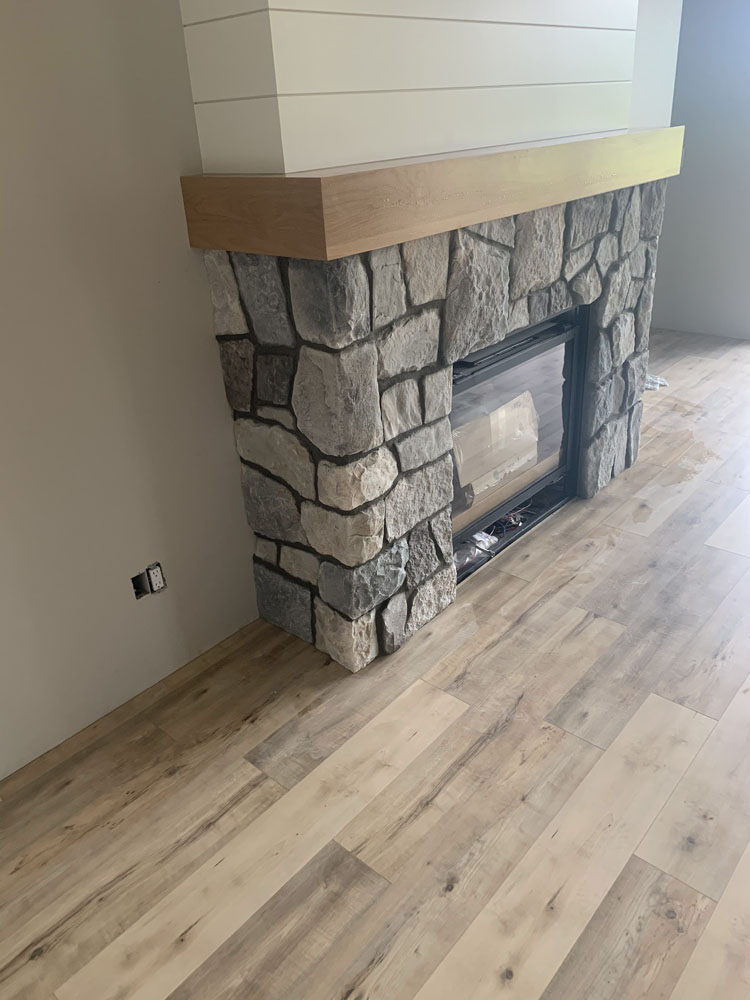
6. Chimney Issues: Identifying Common Problems
Chimneys made of brick face unique challenges such as cracking flues and crumbling crowns that require regular inspections.
Common Chimney Problems:
Flue cracks leading to dangerous gas leaks. Crown deterioration allowing water seepage. Leaning structures indicating serious foundation issues.Solution: Regular chimney inspections by certified professionals will help catch these problems early on.
FAQs About Brickwork Problems
1. What should I do if I notice cracks in my brick wall?
If you see cracks, it's best to consult a masonry contractor who can assess the severity and recommend appropriate repairs like repointing or structural reinforcement based on their findings.
2. How can I prevent efflorescence on my brick surfaces?
To minimize efflorescence, ensure proper waterproofing during construction and maintain effective drainage systems around your home to https://www.google.com/maps/d/edit?mid=1UUYrJH4dyHhr3P5ZO9OM56Al5SS6zcw&usp=sharing prevent water accumulation near brick walls.
3. Is spalling reversible?
While spalling cannot be completely reversed once it has occurred, steps like replacing damaged bricks and applying sealants can prevent further deterioration.
4. How often should I inspect my brick masonry?
It's wise to inspect your brickwork at least once a year for any visible signs of wear such as cracking or spalling—especially after extreme weather conditions.
5. Can I fix minor cracks myself?
For minor cracks, homeowners may use caulking compounds or sealants; however, significant structural issues should always be handled by professionals for safety reasons.
6. Why is hiring a masonry contractor important?
A skilled masonry contractor brings expertise that ensures proper identification of underlying issues and effective repair strategies that preserve your property’s integrity over time.
Conclusion
Understanding common brickwork problems equips homeowners with the knowledge necessary for maintaining their properties effectively while ensuring structural safety and aesthetic appeal. By being proactive about inspections and repairs—and enlisting qualified professionals like masonry contractors when needed—you'll protect your investment while enjoying peace of mind in your home's durability against the elements.
This guide serves not only as an educational resource but also as a call-to-action for homeowners wishing to safeguard their properties against common brick-related problems effectively!